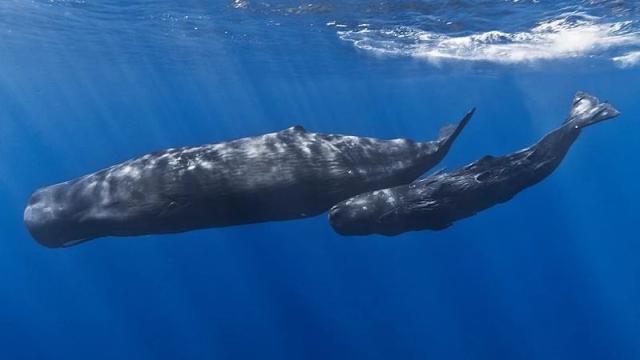
Cetaceans actually live mainly in shallow seas. For example, the largest animal today, the blue whale, mostly moves within 100 meters of the water surface, and the marine radon killer whale has a limit radon record of only ten minutes. The most widely known diving whale is the sperm whale. Its deep diving record is 2250 meters, and it can hold breath for more than an hour.
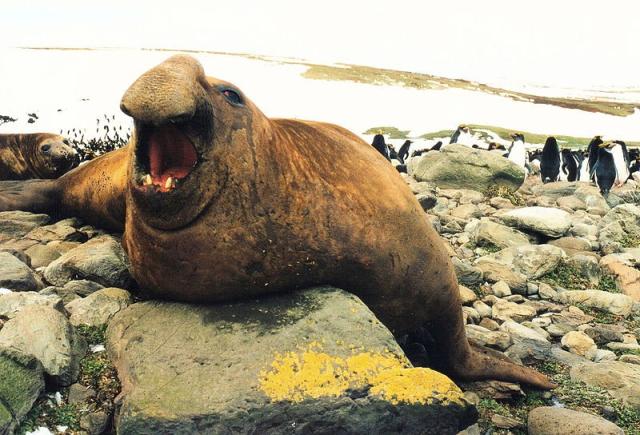
Regarding diving ability, flippers are not inferior, and the southern elephant seal is the most prominent. Satellite positioning shows that southern elephant seals love diving, they rarely surface, usually return to diving after a few minutes of breathing, each diving more than 20 minutes. They travel between the sea and the deep waters of 400-1000 meters and feed on squid and fish in the deep sea. In 2005, a southern elephant seal dived to a depth of 2388 meters, which broke the record of sperm whales, and the cetaceans temporarily gave up the throne of diving champions.
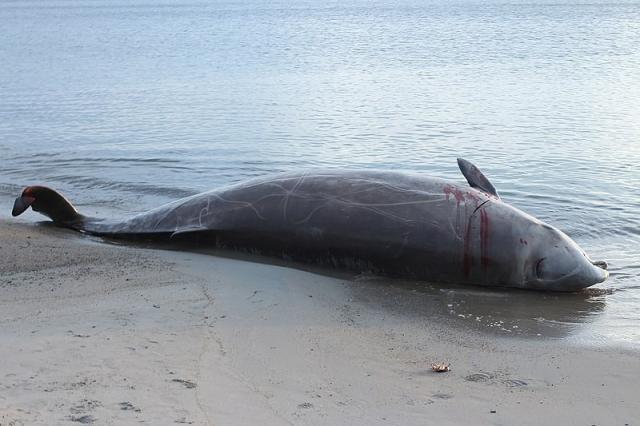
Many popular science books still say that the sperm whale is a diving champion. This is because the information has not been updated in time. The current new champion should be the Koch's beaked whale. There are many species of beaked whales that are good at diving. For example, the current dive record of the beak whale is 1777 meters, and that of the beak whale is 1408 meters. Other species of beaked whales are expected to break the record for Coriolis beaked whales in the future. But at present, the limit depth of cetaceans is only 3,000 meters, which is too far away from the deep sea of 10,000 meters.
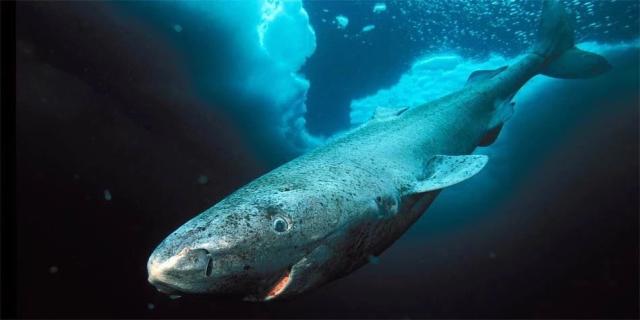
Large animals have no motive for deep dives, like beaked whales, elephant seals and sperm whales dive for food. Because there is no photosynthesis in the deep ocean, it is mainly fed by the "sea snow" falling from the upper layer. It is very barren, and the deeper it becomes, the more barren it is. There is nothing for big animals to eat. In the 2000-3000 meter water layer, there are also large sharks such as the gray six-gill shark and the sleeping shark, as well as large cephalopods such as king squid and antarctic mid-clawed squid. There are no big guys below 3000 meters.
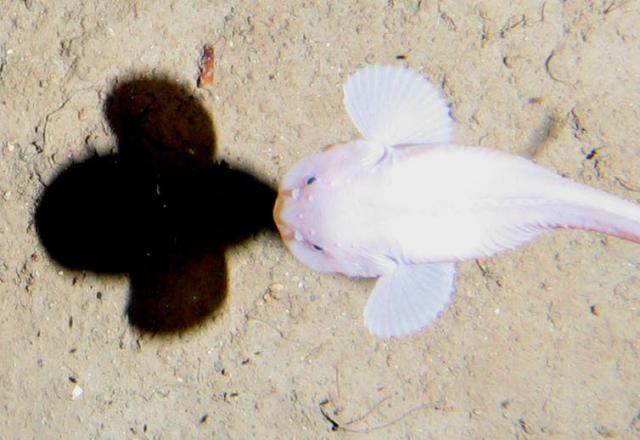
No traces of marine mammals have been found below 3000 meters. There is a small shark called the spiny scale shark that can live in the abyss of 4500 meters. A variety of lionfish were found at a depth of more than 8,000 meters in the Mariana Trench in the Pacific Ocean. At the bottom of the trench, there is an amphipod arthropod named short-legged hookeye shrimp with a length of about 5 cm. There is also a huge single-celled polyps, up to 10 cm long, which is the largest single-celled organism in the world.